
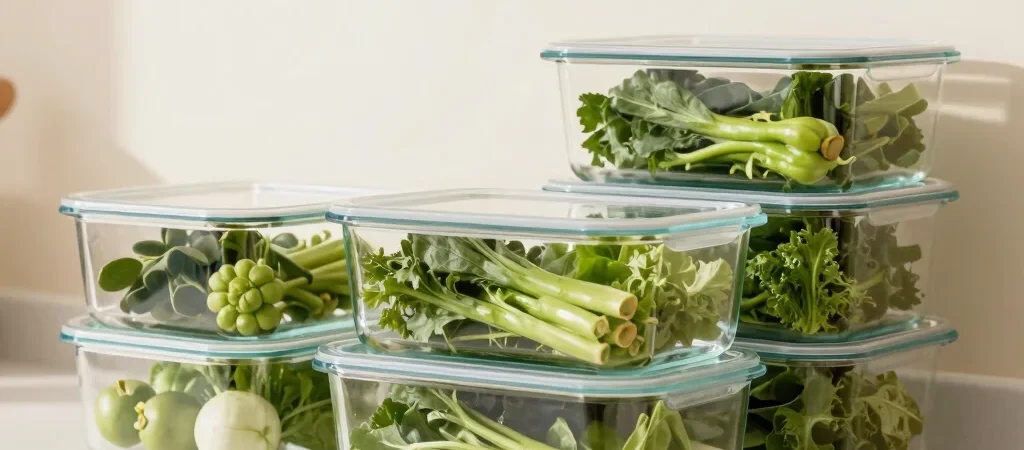
Tossing out wilted greens or forgotten leftovers at the end of the week is frustrating and expensive. Most households end up wasting food simply because life gets busy, not because they do not care. Shifting toward lower-impact habits in the kitchen does not require complicated meal prep routines or expensive vacuum sealers. A few realistic adjustments can keep your groceries fresh longer and keep your hard-earned money in your wallet.
Rethink Your Fridge Layout for Quick Access
We often push leftover ingredients into the back corners of the refrigerator where they are easily forgotten until they spoil. Try creating an eat-first zone right on the middle shelf at eye level. Store opened sauces, half-used vegetables, and cooked leftovers in clear glass jars or reusable containers so you instantly see what needs to be eaten before cooking something brand new.
Embrace the Mid-Week Fridge Audit
Before doing your next grocery run, spend three minutes checking what is already sitting in your crisper drawer. Base your upcoming meals around using up soft tomatoes, bruised apples, or half a bag of spinach. Turning leftover roasted vegetables into a quick weeknight soup or tossing wilted herbs into an omelet is a budget-friendly way to eliminate food waste without extra effort.
Freeze What You Cannot Finish in Time
Your freezer is your best tool for reducing waste when life throws unexpected plans your way. Bread slices, ripe bananas, tomato paste, and surplus broth can all be frozen in small portions. Labeling containers with the date keeps things organized so you always have easy ingredients ready for quick busy night dinners.